Gaming in the Dial-Up Era: Navigating Slow Internet Speeds and Multiplayer Challenges

The dial-up era marked a pivotal time in the history of online gaming. Back then, the internet was characterized by slow speeds and limited connectivity options. In this article, we will explore the challenges that gamers faced during the dial-up era and how they navigated through the world of online gaming.

The Rise of Online Gaming

The dial-up era witnessed the rise of online gaming, where players could connect with each other through the internet and engage in multiplayer experiences. It opened up a whole new realm of possibilities, allowing gamers to compete, collaborate, and socialize with fellow players from around the world.

Slow Internet Speeds

One of the biggest challenges of the dial-up era was the slow internet speeds. Dial-up connections were typically limited to a maximum speed of 56 kilobits per second (Kbps), which pales in comparison to the high-speed connections we enjoy today. This meant that downloading games, patches, and updates took considerable time and patience.

Connection Disruptions and Lag

Dial-up connections were notorious for connection disruptions and lag. Since they relied on telephone lines, incoming phone calls could interrupt the internet connection, causing frustration for gamers in the middle of intense gaming sessions. Moreover, the limited bandwidth often resulted in lag, causing delays and inconsistencies in gameplay.

Multiplayer Challenges

In the dial-up era, playing multiplayer games required additional effort and coordination. Gamers had to manually input IP addresses to connect with their friends or join game servers. This process was often cumbersome and prone to errors. Moreover, finding suitable opponents or teammates for multiplayer matches was not as streamlined as it is today.

Gaming Communities and Forums

To overcome the challenges of the dial-up era, gamers relied heavily on gaming communities and forums. These platforms provided a space for players to share tips, troubleshoot technical issues, and organize multiplayer matches. They served as a valuable resource for gamers to connect with like-minded individuals and navigate through the world of online gaming.

LAN Parties and Local Multiplayer

Due to the limitations of internet speeds and connectivity, many gamers turned to LAN parties and local multiplayer as alternatives. LAN parties involved gathering with friends in a physical location, connecting computers through a local area network (LAN), and playing games together. This provided a lag-free and immersive gaming experience that was not reliant on internet connectivity.

Patience and Adaptability

Gaming in the dial-up era required a significant amount of patience and adaptability. Gamers had to contend with slow downloads, connection disruptions, and lag. They developed strategies to optimize their gaming experience, such as scheduling gameplay during off-peak hours to avoid network congestion. They also learned to adapt to the limitations of their internet speeds and adjust their gameplay accordingly.

The Legacy of the Dial-Up Era

Despite the challenges, the dial-up era laid the foundation for the online gaming experiences we have today. It fostered a sense of community among gamers, who had to work together to overcome technical obstacles. It also sparked innovations in multiplayer gaming and inspired the development of gaming platforms and services that continue to thrive in the modern gaming landscape.

source: youtube.com/@JohnGlasscock

Gaming in the dial-up era was a testament to the resilience and dedication of gamers. Navigating slow internet speeds, connection disruptions, and multiplayer challenges required patience, adaptability, and a strong sense of community. The dial-up era laid the groundwork for the online gaming experiences we enjoy today, and it remains an important part of gaming history that should be remembered and appreciated.

Navigating the Slow Internet: Remembering the Early Days of Web Browsing

The internet has come a long way since its inception, evolving from a novelty to an essential part of our daily lives. Today, we enjoy lightning-fast internet speeds that allow us to stream videos, download files, and browse websites with ease. However, it wasn’t always this way. In the early days of web browsing, users had to contend with slow internet speeds, limited resources, and a different browsing experience altogether. In this article, we’ll take a nostalgic trip down memory lane to remember the challenges and triumphs of navigating the slow internet.

The Dial-Up Connection: A Slow Start

In the early days of web browsing, dial-up connections were the standard. Users connected to the internet through a modem and telephone line, which limited internet speeds to a mere fraction of what we enjoy today. Dial-up connections typically operated at speeds of 56 kilobits per second (Kbps), resulting in slow page loading times and frustratingly long waits.

The Sound of Connection: Modems and their Tones

One distinct memory from the early days of web browsing is the sound of the modem dialing and connecting to the internet. The screeching, high-pitched tones emitted by the modem were not only a sign of connection but also a reminder of the limitations of the technology at the time. Users became accustomed to the familiar sounds as they patiently waited for the internet to become accessible.

The Art of Patience: Waiting for Pages to Load

Browsing the web in the early days required a lot of patience. Loading a single web page could take several seconds or even minutes, especially if the page was graphics-heavy or contained large files. Users would watch as the images and text slowly rendered on the screen, sometimes appearing in chunks as the data gradually arrived.

Text-Heavy Websites: Simplicity in Design

Due to the limitations of slow internet speeds, websites in the early days were predominantly text-based. Graphics, images, and videos were sparingly used, if at all, as they would significantly slow down page loading times. Web designers focused on delivering information through text, resulting in minimalist and straightforward website designs.

Bandwidth Limitations: The Challenge of Multitasking

In the early days of web browsing, multitasking was a luxury. With limited bandwidth, engaging in multiple online activities simultaneously was often impractical. Downloading files while browsing the web or streaming media could quickly bring the internet to a crawl, frustrating users who had to prioritize their online activities.

Slow Downloads: The Joy of Progress Bars

Downloading files in the early days of the internet was a test of patience. Whether it was a small image or a larger software package, downloads took considerable time to complete. Progress bars became a familiar sight, offering a visual representation of the file’s download progress. Watching the bar inch forward slowly became an exercise in anticipation.

Limited Streaming Capabilities: Buffering and Interruptions

Streaming media was virtually non-existent in the early days of web browsing. Internet speeds were simply not fast enough to support seamless video playback. Instead, users relied on downloading media files before watching them, often enduring lengthy buffering periods and frequent interruptions.

Optimizing Web Pages for Slow Speeds: HTML Coding Tricks

Web developers and designers had to be creative when it came to optimizing web pages for slow internet speeds. They utilized HTML coding tricks such as image compression, browser-specific optimizations, and minimalistic layouts to enhance page loading times. These techniques helped deliver a smoother browsing experience within the limitations of the era.

The Shift to Broadband: A Game-Changer

The introduction of broadband internet marked a significant shift in web browsing. With faster speeds and always-on connectivity, users experienced a dramatic improvement in their online experience. Broadband connections, such as cable and DSL, allowed for seamless web browsing, faster downloads, and the emergence of streaming services that would shape the future of entertainment.

Nostalgia and Appreciation: The Slow Internet’s Legacy

While we now enjoy lightning-fast internet speeds, it’s important to look back at the slow internet era with nostalgia and appreciation. It reminds us of the progress we’ve made and the technological advancements that have transformed the way we interact with the online world. The challenges and frustrations of navigating the slow internet have paved the way for the seamless browsing experiences we have today.

source: youtube.com/@ThamesTv

The early days of web browsing were marked by slow internet speeds, limited resources, and a different browsing experience altogether. Users had to exercise patience as they waited for pages to load, embraced minimalist designs, and adapted to the limitations of the technology. The memories of dial-up connections, progress bars, and the sound of modems dialing are all part of the nostalgic journey through the slow internet era. It’s a reminder of how far we’ve come and the remarkable progress in internet speeds that has transformed the way we browse and interact online.

DSL and Cable Internet: How They Transformed the Early Years of Internet Speeds

The early years of the internet were characterized by slow and unreliable dial-up connections. Internet users faced the frustration of sluggish download speeds, interrupted connections, and limited browsing capabilities. However, the introduction of DSL (Digital Subscriber Line) and Cable Internet technologies revolutionized internet speeds, transforming the online experience for millions of users worldwide. In this article, we will explore how DSL and Cable Internet transformed the early years of internet speeds, enabling faster and more reliable connectivity.

The Limitations of Dial-Up Connections

Dial-up connections, which relied on telephone lines, were the primary means of internet access in the early years. However, dial-up connections had significant limitations. They offered maximum speeds of only 56 kilobits per second (Kbps), resulting in slow download and upload speeds. Users often experienced busy signals, disconnections, and limited bandwidth, making it challenging to engage in activities such as streaming media or downloading large files.

DSL: The Rise of High-Speed Internet

DSL emerged as a breakthrough technology that significantly improved internet speeds. Unlike dial-up, DSL utilized existing copper telephone lines to transmit data, offering higher bandwidth and faster speeds. DSL enabled simultaneous voice and data transmission, eliminating the need for a separate phone line. This meant users could make phone calls while browsing the internet without any interruption.

DSL provided users with speeds ranging from 128 Kbps to several megabits per second (Mbps), depending on the distance from the telephone exchange. This increase in speed allowed for faster downloads, improved web browsing experiences, and the ability to engage in activities like online gaming and video streaming.

The Advantages of Cable Internet

Cable Internet, another game-changer in the early years of internet speeds, utilized cable television infrastructure to provide internet connectivity. Cable connections offered higher speeds and bandwidth compared to dial-up and DSL. Cable Internet operated on coaxial cables, which allowed for faster data transmission.

Cable Internet speeds could reach several megabits per second, surpassing the speeds offered by DSL. This made cable internet particularly appealing for heavy internet users who required faster downloads, smoother streaming, and more reliable connections.

Broadband Revolution: DSL and Cable’s Impact

The introduction of DSL and Cable Internet technologies sparked a broadband revolution. Broadband, characterized by its high-speed and always-on connectivity, transformed the way people accessed and utilized the internet. DSL and Cable Internet played pivotal roles in this revolution, driving the adoption of broadband connections across the globe.

Broadband connections offered users faster speeds, increased bandwidth, and more reliable connections. This revolutionized various aspects of online activities, including multimedia streaming, online gaming, video conferencing, and file sharing. Users could now enjoy seamless browsing experiences, faster downloads, and improved access to online resources.

Advancements in DSL and Cable Technology

Over time, DSL and Cable Internet technologies continued to evolve, offering even faster speeds and greater reliability. DSL technologies, such as ADSL (Asymmetric Digital Subscriber Line) and VDSL (Very High Bitrate Digital Subscriber Line), enhanced internet speeds by utilizing advanced modulation techniques and optimizing data transmission over copper lines.

Cable Internet also experienced advancements with the introduction of DOCSIS (Data Over Cable Service Interface Specification) standards. DOCSIS enabled higher speeds, improved network efficiency, and increased capacity to meet the growing demands of internet users.

The Legacy of DSL and Cable Internet

DSL and Cable Internet technologies left a lasting impact on the early years of internet speeds. They paved the way for the widespread adoption of broadband connections and transformed the internet into a more accessible and versatile platform. These technologies played a crucial role in bridging the digital divide and bringing faster internet speeds to homes, businesses, and educational institutions worldwide.

source: youtube.com/@techquickie

DSL and Cable Internet technologies transformed the early years of internet speeds, offering faster and more reliable connectivity compared to dial-up connections. The advent of DSL and Cable Internet sparked a broadband revolution, revolutionizing online activities and opening up new possibilities for users. As technology continues to advance, DSL and Cable Internet will be remembered as instrumental in shaping the internet landscape and providing the foundation for faster and more accessible internet connections we enjoy today.

Broadband: Transforming Internet Speeds and User Experience in the Early Days

In the early days of the internet, internet speeds were a far cry from the high-speed connections we enjoy today. Slow dial-up connections dominated the landscape, causing frustration for users who had to endure long waits for web pages to load and downloads to complete. However, the introduction of broadband technology revolutionized internet speeds and transformed the user experience. In this article, we will explore how broadband transformed internet speeds in the early days and revolutionized the way people accessed and experienced the internet.

What is Broadband?

Broadband refers to high-speed internet connections that offer significantly faster speeds compared to traditional dial-up connections. It provides always-on connectivity, allowing users to access the internet without having to dial in each time. Broadband utilizes various technologies, such as Digital Subscriber Line (DSL), cable, fiber optics, and satellite, to deliver fast and reliable internet connections.

The Need for Speed

In the early days of the internet, dial-up connections were the primary means of accessing the online world. However, dial-up connections had limited speeds, typically reaching a maximum of 56 kilobits per second (Kbps). This slow speed severely limited the user experience, making tasks like web browsing, downloading files, and streaming media a time-consuming and frustrating process.

Dial-Up vs. Broadband

The introduction of broadband technology brought a dramatic change to internet speeds and user experience. Unlike dial-up, which relied on telephone lines and modems, broadband utilized advanced technologies to transmit data at much higher speeds. With broadband, users could enjoy significantly faster download and upload speeds, smoother web browsing, and improved multimedia streaming.

DSL: Broadband over Phone Lines

Digital Subscriber Line (DSL) was one of the first broadband technologies to gain widespread popularity. It transformed the existing telephone infrastructure to deliver high-speed internet access. DSL utilized unused frequencies on traditional copper telephone lines to transmit data while allowing simultaneous voice calls. This technology enabled faster internet speeds, ranging from a few megabits per second (Mbps) to tens of Mbps, depending on the distance from the telephone exchange.

Cable Internet: Bringing Speeds to the Masses

Cable internet, another popular broadband technology, revolutionized internet speeds and accessibility. Cable internet leveraged the existing cable television infrastructure to deliver high-speed internet connections. Unlike DSL, which provided dedicated bandwidth to each subscriber, cable internet shared bandwidth among multiple users in a given area. Cable internet offered faster speeds than dial-up and DSL, typically ranging from a few Mbps to over a hundred Mbps, depending on the network capacity and subscription plan.

Fiber Optics: Unleashing Lightning-Fast Speeds

Fiber optic technology took broadband speeds to a whole new level. Fiber optic cables use thin strands of glass or plastic to transmit data as pulses of light. This technology offers significantly higher bandwidth and virtually unlimited data capacity. With fiber optic connections, users can experience lightning-fast speeds, often ranging from hundreds of Mbps to gigabits per second (Gbps). Fiber optics enable faster downloads, smoother streaming, and enhanced online experiences, making it the gold standard for high-speed internet connections.

The Impact on User Experience

The introduction of broadband technology revolutionized the way people accessed and experienced the internet. Faster internet speeds meant web pages loaded more quickly, downloads completed in a fraction of the time, and streaming media became seamless and buffer-free. Users could engage in online activities with ease, including video conferencing, online gaming, and multimedia-rich websites. The user experience was transformed, and the internet became a more immersive and interactive platform.

Broadband’s Influence on Internet Applications

Broadband’s high-speed connectivity paved the way for the development of new internet applications and services. With faster speeds, cloud-based storage and computing became feasible, enabling users to store and access data remotely. Video streaming services like YouTube and Netflix gained popularity, as users could now enjoy high-quality video content without buffering issues. E-commerce flourished as online shopping became more convenient and efficient. Social media platforms, online collaboration tools, and many other internet applications benefited from the increased speeds offered by broadband.

source: youtube.com/@BBCArchive

The introduction of broadband technology in the early days of the internet revolutionized internet speeds and transformed the user experience. The shift from dial-up to broadband brought faster download and upload speeds, smoother web browsing, and improved multimedia streaming. Technologies like DSL, cable internet, and fiber optics played pivotal roles in delivering high-speed connections to users. Broadband’s impact went beyond speed; it shaped the development of new internet applications and services, revolutionizing the way people interacted with the online world. Today, broadband continues to evolve, providing even faster speeds and enabling innovative technologies that drive the digital landscape forward.

Modems and the Rise of Internet Speeds: Exploring the Early Technological Innovations

In the early days of the internet, modems played a crucial role in connecting users to the digital world. These devices, short for modulator-demodulator, acted as the bridge between computers and the telephone lines, enabling data transmission and reception. The evolution of modem technology paved the way for significant advancements in internet speeds, revolutionizing the way we communicate, work, and access information. In this article, we will explore the early technological innovations in modems and their contribution to the rise of internet speeds.

The Birth of Modem Technology

The history of modem technology can be traced back to the late 1950s when the first modems were developed to facilitate data communication between computers over telephone lines. These early modems, known as acoustic couplers, used audio tones to transmit and receive digital signals. However, their speeds were limited, typically ranging from 110 to 300 bits per second (bps).

Bell 103 and Bell 212A: Breaking the Speed Barrier

In the 1960s, the introduction of the Bell 103 and Bell 212A modems marked a significant breakthrough in internet speeds. The Bell 103, introduced in 1962, operated at a maximum speed of 300 bps, while the Bell 212A, introduced in 1965, doubled the speed to 600 bps. These advancements allowed for faster data transfer and more efficient communication over telephone lines.

Introduction of the Hayes Smartmodem

In 1981, the Hayes Smartmodem was introduced, revolutionizing the modem industry. The Smartmodem was a combination of a modem and a microcontroller, which simplified the setup process and enhanced compatibility with different computer systems. The Hayes Smartmodem became the industry standard, setting the stage for future advancements in modem technology.

V.32 and V.34 Standards: Increasing Speeds

During the 1980s and 1990s, the International Telecommunication Union (ITU) developed a series of standards to define modem communication protocols. Notably, the V.32 standard, introduced in 1984, offered speeds of up to 9.6 kilobits per second (Kbps), while the V.34 standard, introduced in 1994, further increased speeds to 28.8 Kbps. These standards pushed the boundaries of modem technology and allowed for faster internet access.

Rise of 56K Modems

In the mid-1990s, the introduction of 56K modems brought another significant leap in internet speeds. These modems utilized an innovative technology called PCM (Pulse Code Modulation), which allowed for data rates of up to 56 Kbps. Although the actual speeds varied depending on various factors, such as line quality and network conditions, 56K modems provided a substantial improvement in internet access speeds for users.

Transition to Broadband: DSL and Cable Modems

As the demand for faster internet speeds grew, the industry shifted its focus to broadband technologies. Digital Subscriber Line (DSL) and cable modems emerged as the primary means of broadband internet access. DSL technology utilized existing telephone lines to transmit data, while cable modems utilized cable television infrastructure. Both technologies offered significantly faster speeds than dial-up modems, enabling a more seamless online experience.

The Fiber Optic Revolution

In recent years, fiber optic technology has emerged as the gold standard for high-speed internet connectivity. Fiber optic cables, which transmit data as pulses of light through thin strands of glass or plastic, offer incredibly fast and reliable internet speeds. With fiber optics, users can enjoy speeds of hundreds of megabits per second (Mbps) or even gigabits per second (Gbps), allowing for seamless streaming, gaming, and data-intensive applications.

source: youtube.com/@Nostalgianerd

The rise of modem technology played a pivotal role in the evolution of internet speeds. From the early acoustic couplers to the high-speed fiber optic connections of today, modems have continually pushed the boundaries of what is possible in terms of internet access. The technological innovations in modem design and protocols have enabled faster and more efficient data transmission, transforming the way we communicate and interact online. As we continue to advance in the digital age, the importance of modem technology and its impact on internet speeds cannot be overstated.

How Bandwidth Limitations Shaped the Early Internet Experience

In the early days of the internet, bandwidth limitations played a significant role in shaping the online experience. Bandwidth refers to the amount of data that can be transmitted over a network within a given timeframe. During this period, the available bandwidth was considerably limited, leading to slower internet speeds and certain restrictions on what users could do online. In this article, we will explore how bandwidth limitations shaped the early internet experience and the impact it had on users.

Introduction to Bandwidth Limitations

In the early days of the internet, dial-up connections were the primary means of accessing online content. These connections used existing telephone lines and offered limited bandwidth. The maximum data transfer rate for dial-up connections was typically around 56 kilobits per second (Kbps), which was significantly slower compared to today’s high-speed internet connections.

Slower Browsing and Downloads

One of the notable impacts of bandwidth limitations was the slower browsing and downloading experience. Websites took longer to load, and downloading files, such as images or software, was a time-consuming process. Users had to be patient and wait for content to gradually appear on their screens.

Streaming Media Challenges

Streaming media, such as videos or music, posed a particular challenge due to bandwidth limitations. Streaming required a continuous flow of data, and the limited bandwidth often resulted in buffering issues. Users had to wait for the content to buffer and load before they could enjoy uninterrupted playback.

Email and Text-Based Communication Dominance

Given the slower internet speeds, email and text-based communication became the primary modes of online interaction. Chat rooms, instant messaging, and email platforms allowed users to communicate effectively despite the bandwidth limitations. These communication methods relied on text rather than large multimedia files, making them more suitable for the available bandwidth.

Limited Multimedia Content

Bandwidth limitations also affected the availability and accessibility of multimedia content. Websites had to be optimized for slower connections, resulting in simpler designs and fewer multimedia elements. Graphics and images were often compressed to reduce file sizes and optimize loading times. Video and audio content were scarce due to the challenges of streaming with limited bandwidth.

Innovation in Web Design and Optimization

Bandwidth limitations drove innovation in web design and optimization techniques. Web developers had to find ways to make websites load faster and efficiently use the limited bandwidth available. This led to the development of techniques such as image compression, minification of code, and the use of efficient file formats to deliver content more efficiently.

Importance of Content Prioritization

Due to bandwidth limitations, content prioritization became crucial. Websites had to carefully select and prioritize the essential elements to ensure a smoother user experience. Non-essential elements were often omitted or replaced with lower-resolution alternatives to optimize loading times.

Evolution of Internet Technologies

Over time, internet technologies and infrastructure evolved, leading to the availability of higher bandwidth connections. The transition from dial-up to broadband, advancements in data compression techniques, and the development of more efficient protocols allowed for faster and more reliable internet speeds.

Impacts on User Behavior and Expectations

Bandwidth limitations influenced user behavior and expectations during the early internet era. Users had to be more patient and selective with their online activities. Waiting for content to load and dealing with connection disruptions were common experiences. These limitations also shaped user expectations for faster speeds and more seamless online experiences as technology progressed.

Lessons Learned and Future Perspectives

The bandwidth limitations of the early internet days taught us valuable lessons about the importance of efficient data transmission, content optimization, and the need for continued investment in internet infrastructure. Today, with high-speed internet connections becoming the norm, we have witnessed the transformation of the online experience.

source: youtube.com/@RetroDream

Bandwidth limitations played a significant role in shaping the early internet experience. Slower internet speeds, limited multimedia content, and challenges with streaming media were some of the notable effects of bandwidth limitations. However, these limitations also drove innovation in web design and optimization techniques, leading to more efficient and user-friendly websites.

The impact of bandwidth limitations on the early internet experience was significant. It shaped user behavior, influenced web design and optimization techniques, and highlighted the importance of efficient data transmission. As technology continues to evolve, the availability of high-speed internet becomes increasingly crucial for individuals, businesses, and society as a whole. The lessons learned from the early years of the internet provide valuable insights as we strive to create a faster, more connected world.

Content generated by ChatGPT

Exploring Connection Disruptions and Slow Internet in the Early Days

In the early days of the internet, connection disruptions and slow internet speeds were common challenges that users faced. The technologies and infrastructure at the time were not as advanced as they are today, resulting in a less seamless and reliable online experience. In this article, we will delve into the reasons behind connection disruptions and slow internet in the early days, the impact on users, and how the internet landscape has evolved since then.

Dial-Up Connections: The Introduction of the Internet

During the early days of the internet, dial-up connections were the primary means of accessing online content. Users connected to the internet by dialing a phone number provided by their internet service provider (ISP) using a modem. While this technology was groundbreaking at the time, it had limitations that contributed to connection disruptions and slow speeds.

Bandwidth Limitations: Sharing the Network

Dial-up connections had limited bandwidth, which meant that the available data transmission capacity was shared among multiple users. This resulted in slower speeds, especially during peak usage hours when many people were trying to connect to the internet simultaneously. As a result, users often experienced sluggish browsing, slow downloads, and buffering issues while streaming media.

Phone Line Interference: Disrupting Connectivity

Since dial-up connections relied on telephone lines, any disruptions or interference on the line could impact internet connectivity. Phone line issues such as noise, line quality, or even other devices connected to the same line could cause interruptions and disconnects. This made it frustrating for users, as they had to constantly deal with dropped connections and re-establishing their internet connection.

Limited Infrastructure: Uneven Access

In the early days of the internet, the infrastructure for internet connectivity was not as widespread or robust as it is today. Some areas had limited coverage or access to internet service providers, resulting in uneven access to the internet. Rural areas, in particular, often faced challenges in getting reliable and high-speed internet connections, further exacerbating the issue of slow internet speeds.

Advancements in Technology: Transition to Broadband

Over time, advancements in technology led to the transition from dial-up to broadband internet. Broadband connections, such as Digital Subscriber Line (DSL) and cable, offered faster speeds and more reliable connections compared to dial-up. This marked a significant improvement in internet speeds and helped address some of the challenges faced in the early days.

Infrastructure Development: Expanding Coverage

With the increasing demand for internet connectivity, infrastructure development became a priority for governments and ISPs. The expansion of broadband infrastructure, including the laying of fiber optic cables and the introduction of new technologies like satellite internet, improved coverage and allowed for faster and more reliable connections in both urban and rural areas.

The Evolution of Internet Speeds: Impact on User Experience

As internet speeds improved, the user experience underwent a significant transformation. Faster connections allowed for smoother web browsing, quicker downloads, and better streaming quality. Users could engage in activities such as video conferencing, online gaming, and content consumption without the frustrations of slow speeds and constant disruptions.

The Current Internet Landscape: High-Speed Connectivity

Today, high-speed internet connectivity has become more prevalent. With the advent of technologies like 4G and 5G, users can access the internet at unprecedented speeds, enabling seamless streaming, real-time communication, and the proliferation of connected devices. However, it’s important to note that certain regions and communities still face challenges in accessing high-speed internet due to various factors such as infrastructure limitations and socioeconomic disparities.

source: youtube.com/@knowledgehusk

Connection disruptions and slow internet speeds were prevalent challenges in the early days of the internet. Bandwidth limitations, phone line interference, and limited infrastructure contributed to the frustrations faced by users. However, advancements in technology, infrastructure development, and the transition to broadband connections have significantly improved internet speeds and addressed many of the early challenges. Today, high-speed internet connectivity is more accessible, enabling a seamless online experience for users.

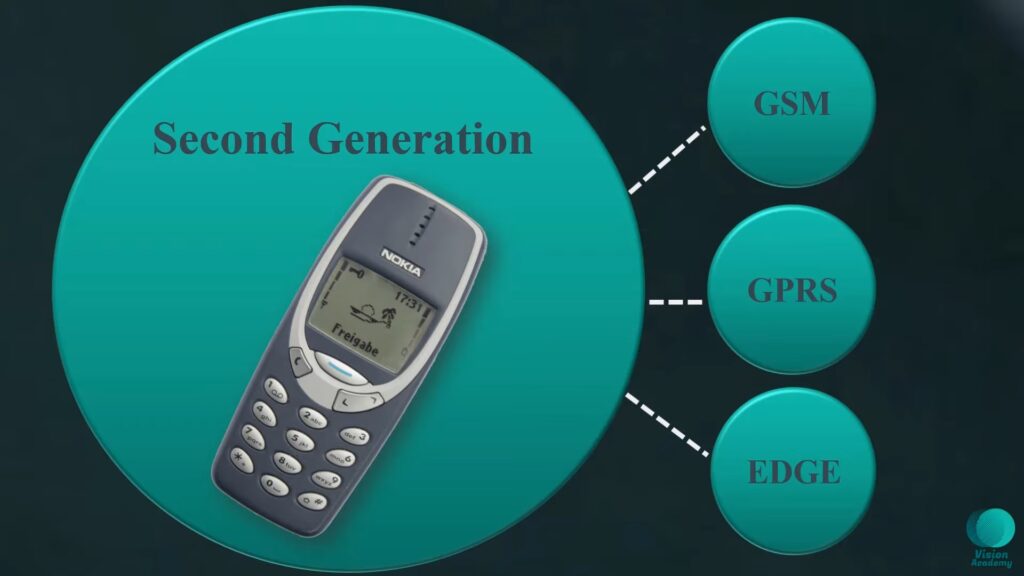
The Dawn of Mobile Internet: The Role of 2G Networks in the History of Internet Speeds

2g networks
source: youtube.com/@VisionAcademyTutorials

In the early 1990s, mobile phones were just beginning to gain mainstream popularity. However, the ability to connect to the internet was still a distant dream. This all changed with the introduction of 2G networks.

2G networks were the first to introduce digital mobile communication. They replaced the analog systems that had been used up until that point. One of the key advantages of 2G networks was their ability to transmit data at a much faster rate than their analog predecessors. This made it possible to access the internet from a mobile device.

Initially, 2G networks were slow and unreliable, with internet speeds of just a few kilobits per second. However, they were a significant improvement over the previous analog systems, which had no internet connectivity at all.

The first mobile phones with 2G connectivity were released in the mid-1990s. These early devices were simple by today’s standards, with small monochrome displays and limited internet browsing capabilities. However, they laid the foundation for the mobile internet as we know it today.

Over time, 2G networks continued to evolve and improve. The introduction of GPRS (General Packet Radio Service) in the late 1990s made it possible to send and receive data at a much faster rate than before. This paved the way for more advanced mobile internet applications, such as email and instant messaging.

The next major development in 2G networks came with the introduction of EDGE (Enhanced Data rates for GSM Evolution) in the early 2000s. EDGE increased internet speeds to around 384 kilobits per second, which was a significant improvement over previous versions of 2G.

The introduction of 2G networks also had a major impact on the telecommunications industry. It paved the way for the introduction of prepaid mobile plans, which made it much easier for people to access mobile communication and internet services.

In addition, 2G networks played a crucial role in the development of mobile banking and financial services. The ability to access the internet from a mobile device made it possible to transfer money, pay bills, and access other financial services from almost anywhere.

However, the limitations of 2G networks soon became apparent. As internet usage on mobile devices increased, it became clear that 2G networks were not able to keep up with demand. Internet speeds were still slow, and it was difficult to access more advanced mobile applications and services.

source: youtube.com/@VisionAcademyTutorials

This led to the introduction of 3G networks, which were able to transmit data at a much faster rate than 2G networks. 3G networks paved the way for more advanced mobile applications, such as video calling, mobile gaming, and high-speed internet browsing.

Despite their limitations, 2G networks played a crucial role in the development of mobile internet technology. They paved the way for more advanced systems, such as 3G and 4G, and laid the foundation for the mobile internet as we know it today.

The introduction of 2G networks was a major milestone in the history of internet speeds. They were the first mobile networks to introduce digital communication, which made it possible to access the internet from a mobile device. While they were slow and unreliable by today’s standards, they were a significant improvement over the previous analog systems. The introduction of 2G networks paved the way for more advanced mobile internet technology, and laid the foundation for the mobile internet as we know it today.

From Dial-up to Broadband: The Evolution of Internet Speeds

The internet has come a long way since the days of dial-up. In the early days of the internet, users were limited to speeds of just a few kilobits per second, making simple tasks like checking email a frustrating experience. However, the introduction of broadband internet changed everything, and today’s internet is faster and more reliable than ever before. In this article, we’ll explore the evolution of internet speeds, from the early days of dial-up to the introduction of broadband, and everything in between.

Dial-up internet was introduced in the 1990s and worked by using a telephone line to establish a connection between a user’s computer and an internet service provider (ISP). To connect, users would need a modem, a device that converted digital signals from a computer into analog signals that could travel over a phone line. Once connected, dial-up internet had a maximum speed of 56 kilobits per second (kbps).

In the late 1990s, broadband internet was introduced, and it changed everything. Broadband internet works by using a different type of connection that allows for faster download and upload speeds. Broadband internet uses a range of technologies to deliver fast internet speeds, including cable and DSL.

Cable internet works by using the same coaxial cable that delivers cable TV. This cable is capable of carrying a significant amount of data, allowing for faster internet speeds. Cable internet is also available in most areas, making it a popular choice for many users.

DSL, or Digital Subscriber Line, is another popular form of broadband internet. DSL works by using the existing copper telephone lines to deliver internet service. This technology allows for faster internet speeds than dial-up and is available in many areas.

The introduction of broadband internet had a significant impact on internet speeds. With speeds of up to 1 megabit per second (Mbps), users could browse the web, check email, and download files at much faster speeds than dial-up. This allowed for a more enjoyable and efficient online experience.

The introduction of broadband internet was not without its challenges, however. Early adopters of broadband internet often had to deal with technical issues and a lack of support from their internet service providers. Many users also had to purchase new hardware, such as modems and routers, to take advantage of the faster speeds.

Despite these challenges, broadband internet quickly became the standard for internet service. Today, many users enjoy speeds of up to 100 Mbps or higher, allowing for seamless streaming of video and other high-bandwidth activities.

source: youtube.com/@ISOTrainingInstitute

One of the most significant benefits of broadband internet is its impact on business and society. Faster internet speeds have enabled businesses to expand and grow, while also allowing for the development of new technologies and services. Broadband internet has also helped to bridge the digital divide, providing access to information and opportunities for individuals and communities that were previously underserved.

The evolution of internet speeds from dial-up to broadband has been a game-changer. Broadband internet has allowed for faster and more reliable internet speeds, enabling users to do more online than ever before. With the advent of new technologies like fiber-optic internet, internet speeds are only going to get faster. While dial-up internet may be a distant memory, it’s essential to remember how it paved the way for the internet as we know it today.

Slow and Steady: A Journey Through the Early Days of Dial-up Internet

In the early days of the internet, dial-up was the primary means of connecting to the World Wide Web. Although it may seem outdated and slow by today’s standards, dial-up was revolutionary for its time, opening up a whole new world of communication and information sharing. In this article, we’ll take a trip down memory lane and explore the early days of dial-up internet.

Dial-up internet was introduced in the 1990s, and it worked by using a telephone line to establish a connection between a user’s computer and an internet service provider (ISP). To connect, users would need to have a modem, a device that converts digital signals from a computer into analog signals that can travel over a phone line.

Once the modem was connected to the phone line, users would need to enter a phone number to connect to their ISP. This process was slow and often took several attempts to establish a stable connection. Users would then need to wait for their computer to communicate with the ISP and establish a connection to the internet.

One of the defining features of dial-up internet was the familiar screeching and beeping sound that occurred when the modem was connecting to the internet. This sound was caused by the modem negotiating with the ISP to establish a connection and was a source of frustration for many users.

Once connected, dial-up internet had a maximum speed of 56 kilobits per second (kbps), which meant that it could take several minutes to load a single webpage. This was due to the limitations of the technology and the fact that only a single phone line was used to both connect to the internet and receive phone calls.

Despite its slow speeds and technical limitations, dial-up internet was popular because it was the only option available at the time. It allowed users to communicate with others from around the world, access information, and even download files, albeit at a slow pace.

One of the most significant drawbacks of dial-up internet was that it tied up the user’s phone line, meaning that they couldn’t receive calls while connected to the internet. This was a significant inconvenience for many users and led to the development of technologies like call waiting and voicemail.

source: youtube.com/@Samuel2k10

As the internet became more popular and the demand for faster speeds grew, dial-up internet began to be replaced by faster broadband technologies like DSL and cable. These technologies allowed for much faster download and upload speeds and allowed users to stay connected to the internet while still being able to receive phone calls.

Today, dial-up internet is a relic of the past, and it’s difficult to imagine going back to the slow and frustrating experience of dial-up. However, it’s essential to remember that dial-up was a significant technological innovation that paved the way for the internet as we know it today.

The early days of dial-up internet were slow and frustrating, but they were also revolutionary. Dial-up allowed users to connect to the internet for the first time and paved the way for faster broadband technologies that we take for granted today. Although it may seem outdated by today’s standards, dial-up will always be remembered as an essential chapter in the history of the internet.